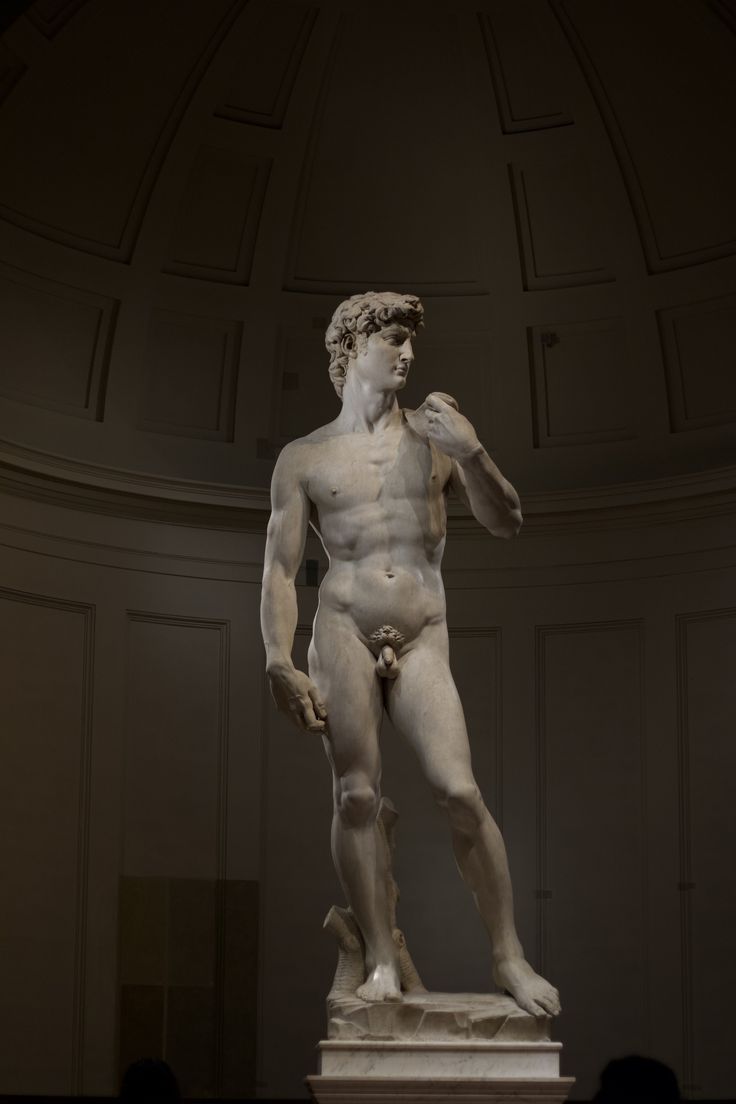
This blog explores how the city of Florence functions as an extension of the classroom. Beyond formal lectures, the city itself offers insight into art, history, culture, and daily life. By observing patterns, environments, and social norms, this site presents Florence as a place of continuous, experiential learning. Each post highlights a different “lesson” drawn from the surrounding environment.
Lesson 1: Art & Environment
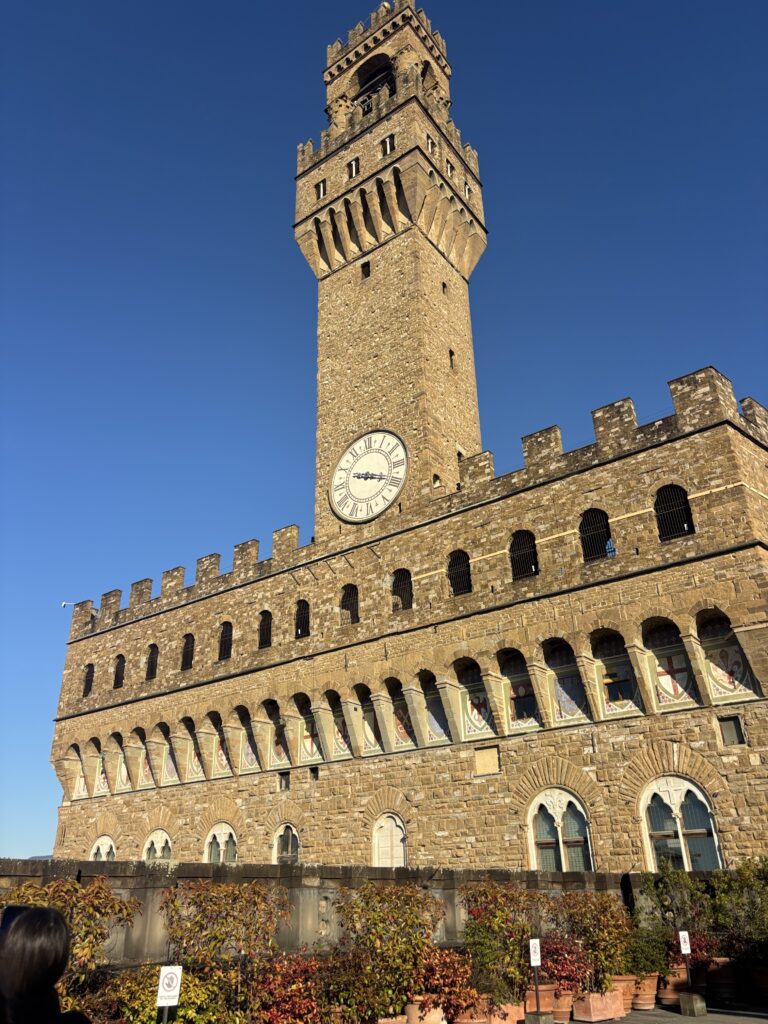
Palazzo Vecchio
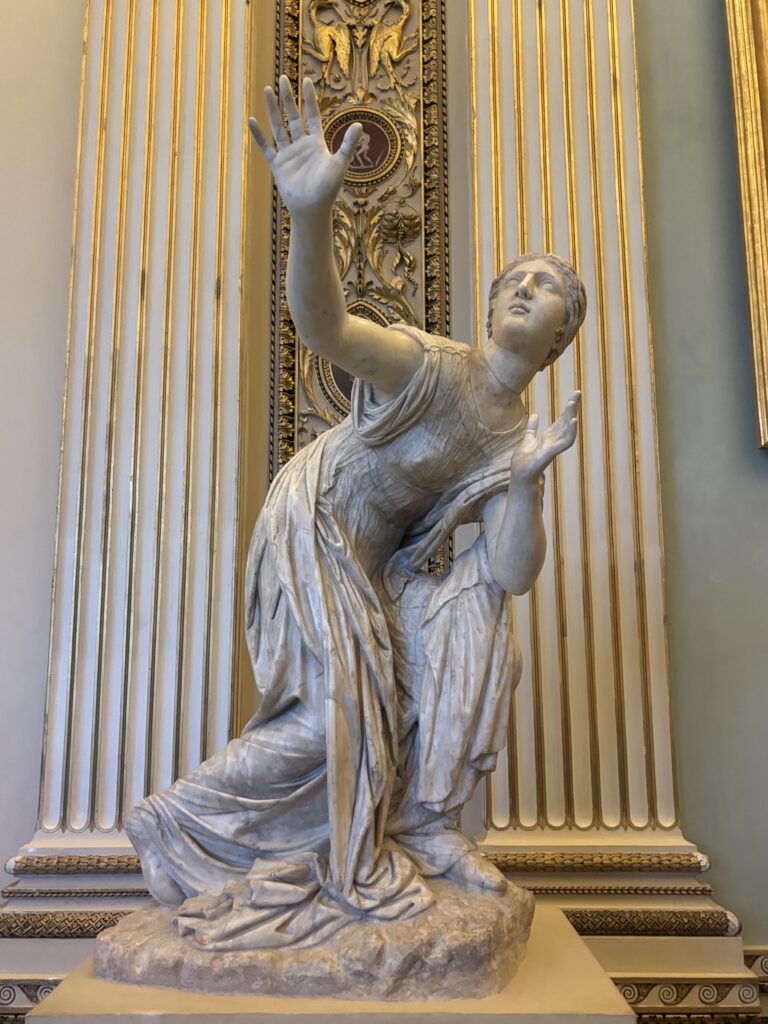
Uffizi Galleries
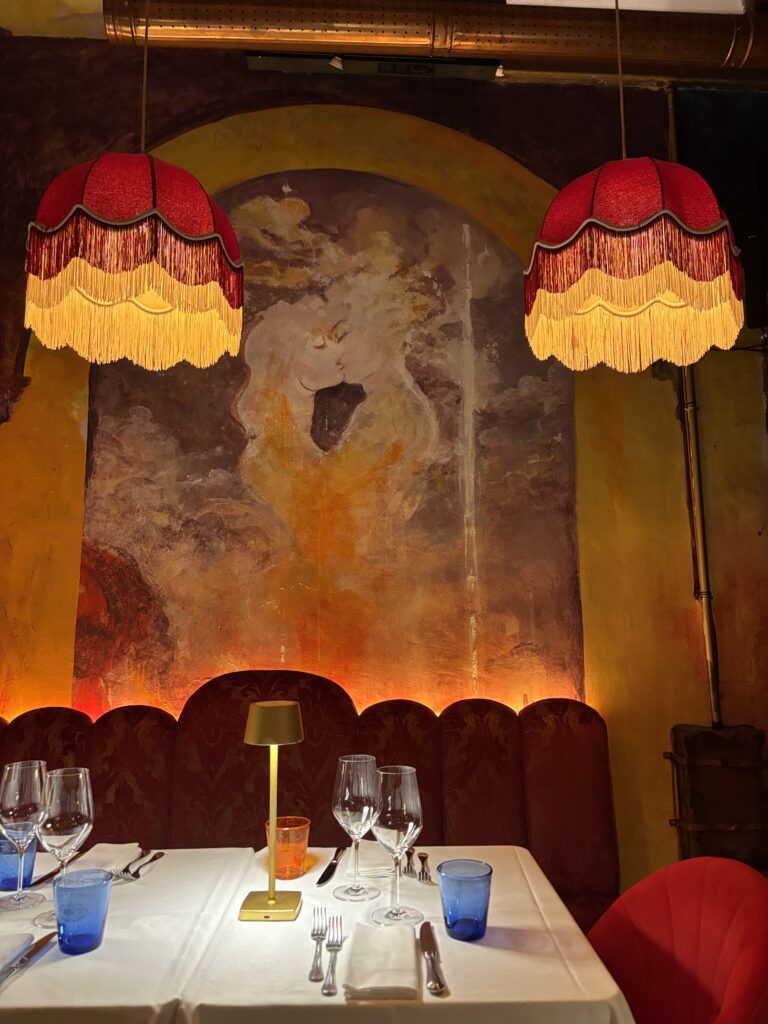
Trattoria Garga
Palazzo Vecchio stands as a central symbol of Florence’s political and artistic history, blending civic function with architectural grandeur. Located in Piazza della Signoria, it illustrates how governance, public space, and art intersect in the urban environment. As both a historic seat of power and a visually dominant landmark, it reflects how Florence integrates cultural and institutional identity into everyday surroundings—reinforcing the city itself as an active site of learning.
The Uffizi Galleries exemplify Florence’s role as a center of Renaissance art and thought. Observing masterpieces in this historic setting illustrates how public and private spaces alike function as extensions of the classroom, teaching lessons in history, technique, and cultural legacy.
Trattoria Gargacombines local culinary tradition with an artful interior, highlighting how Florence integrates creativity into everyday spaces. Dining here reflects the city’s cultural value of aesthetic experience beyond formal museums, making even meals part of a learning environment.
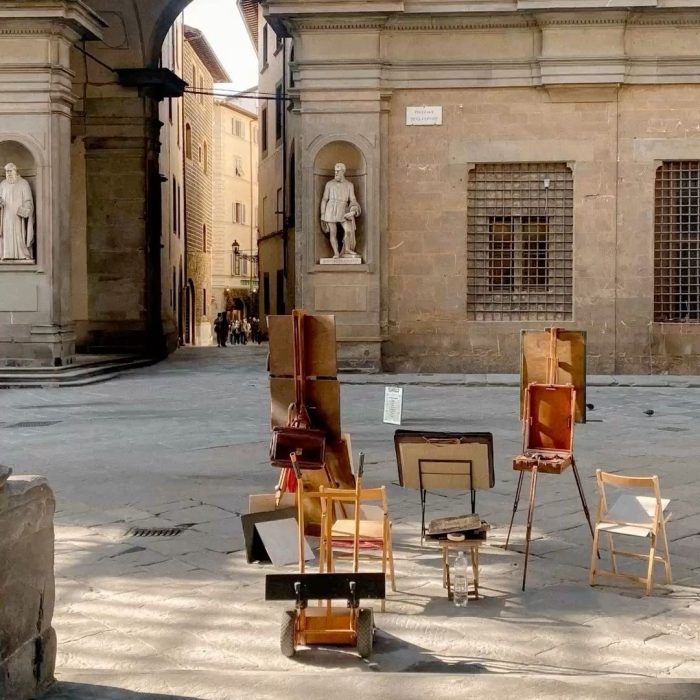
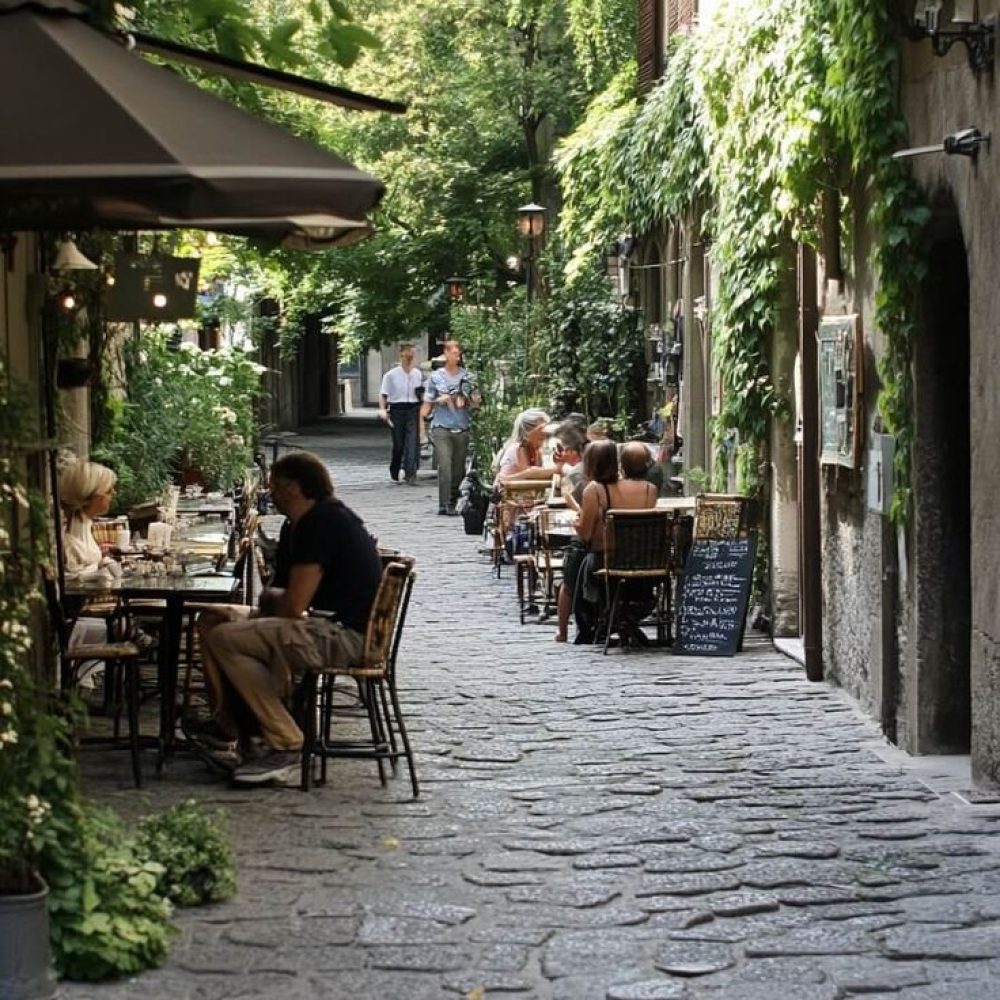
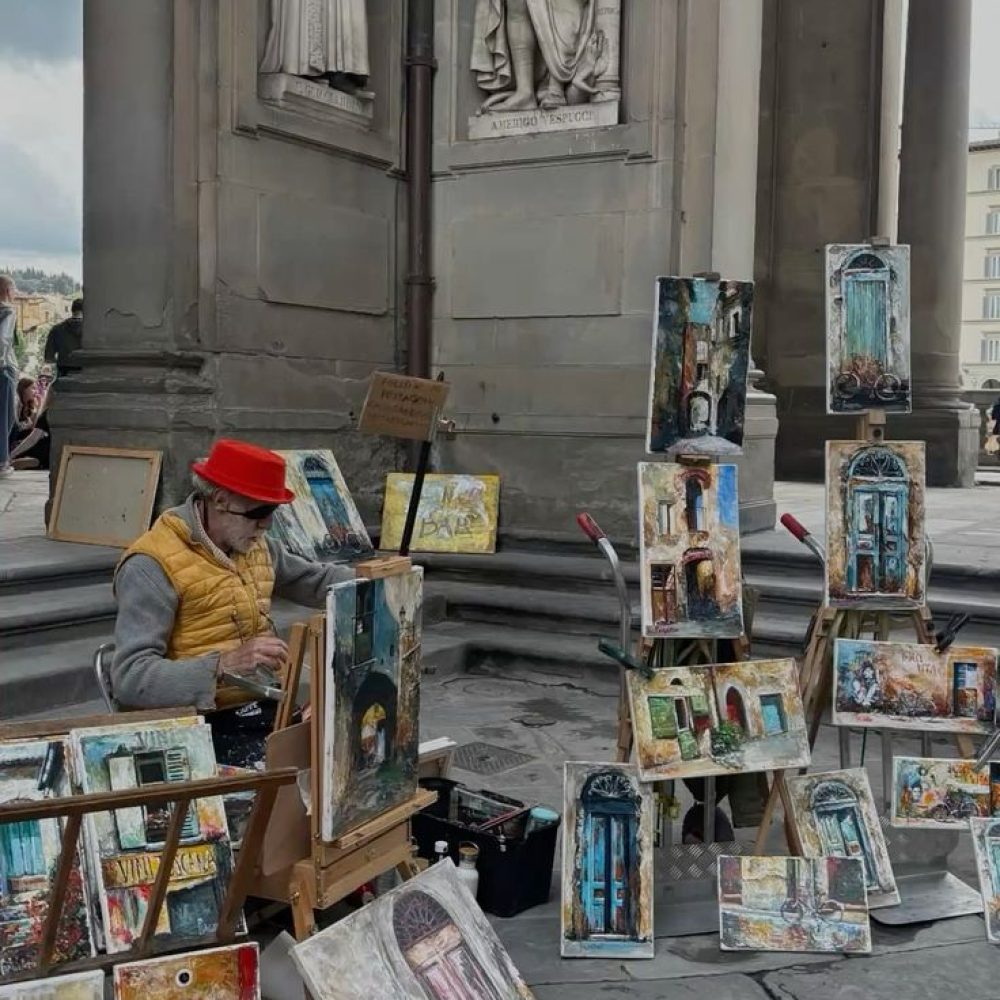
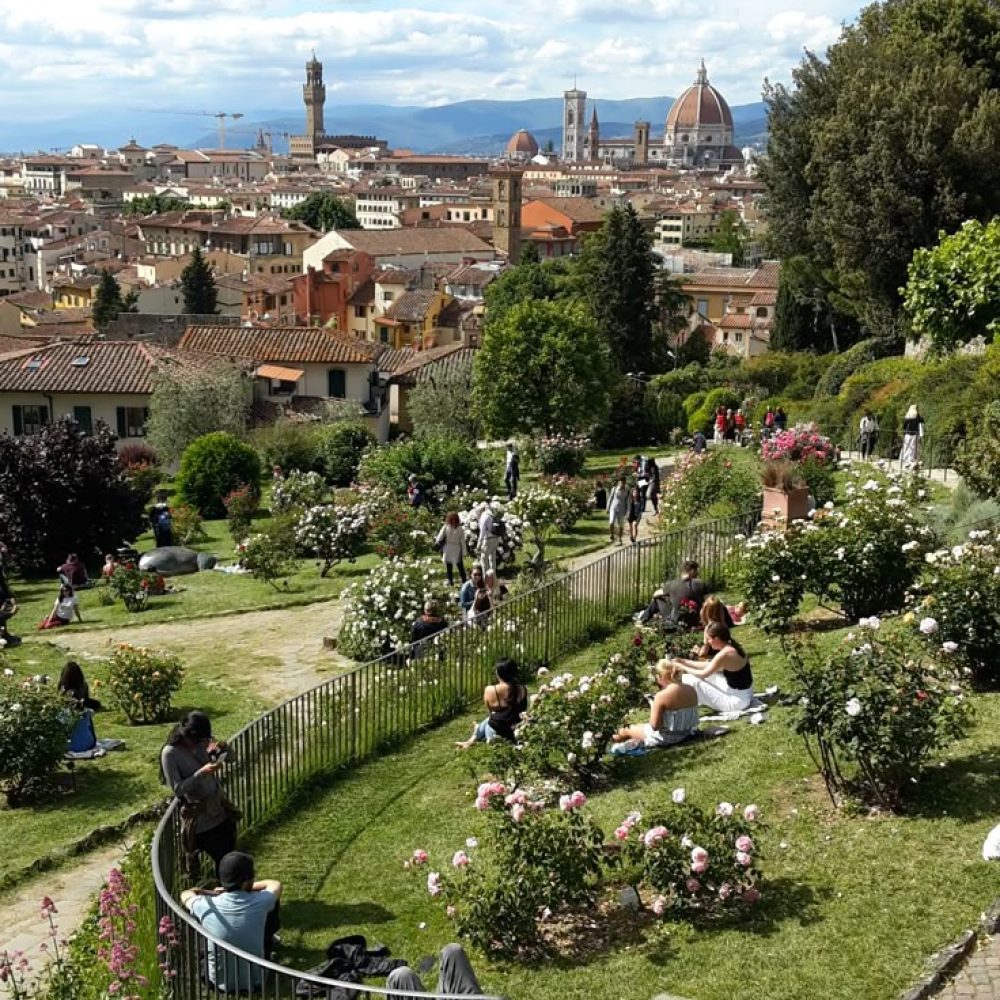
In Florence, art is notconfined to museums but embedded in everyday surroundings. Architecture, public spaces, and street design reflect a long-standing artistic tradition that continues to shape the visual environment. This constant exposure to art influences how individuals move through and interact with the city. As a result, the environment itself becomes a form of visual education, demonstrating how aesthetics and history intersect in daily life.
Lesson 2: Daily Life & Routine
Daily life in Florence is structured around a rhythm that places strong emphasis on food, social interaction, and the intentional use of time. Unlike faster-paced environments where meals are often secondary to productivity, daily routines in Florence reflect a cultural priority on slowing down and creating space for shared experiences.
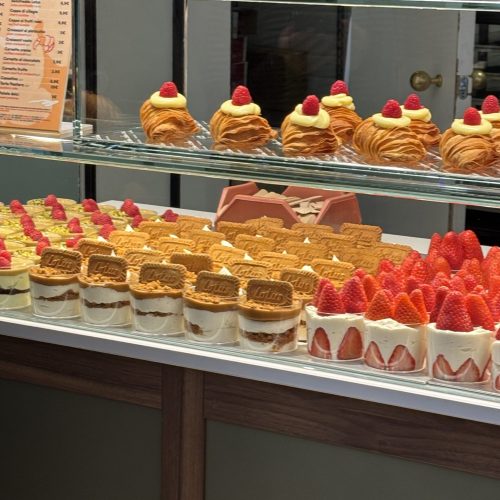
One of the most distinct elements of this routine is the structure of meal times. Breakfast is typically light and quick, often consisting of a coffee and a small pastry. Lunch, however, serves as a more substantial and structured break in the day, often occurring later than in the United States. Dinner takes place even later, frequently beginning around 8:00 PM or beyond, and is treated as a more extended, social experience rather than a quick necessity.
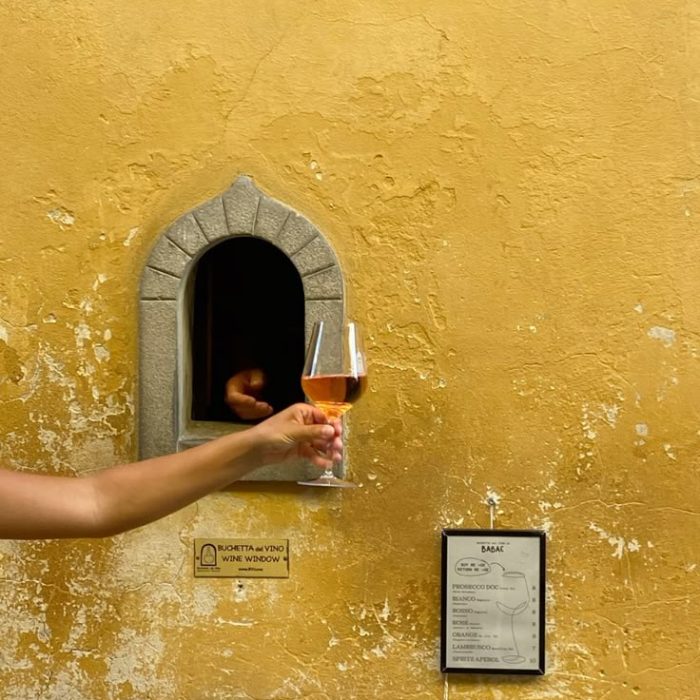
An important component of the daily rhythm is aperitivo, a pre–dinnersocial tradition that usually occurs in the early evening. During aperitivo, individuals gather at cafés or bars to have a drink accompanied by small snacks. While the food itself is not intended to replace dinner, the practice emphasizesconversation and unwinding after the day. It functions as a transition between work or academic responsibilities and the evening meal, reinforcing the importance of social connection within daily routines.
These patterns highlight a broader cultural approach to time and interaction. Meals are not treated as interruptions, but as integral parts of the day that structure both socialand individual life. The pacing of meals, along with traditions like aperitivo, demonstrates how routine can reflect deeper cultural values centered on balance, presence, and community.
Lesson 3: Travel as an Extension of Learning
Previous
Next
Studying abroad in Florence provides access not only to a single city, but to a broader European context.Travel becomes an integral part of the learning experience, offering exposure to different cultures, languages, and environments within a relatively short distance. As a result, education extends beyond one location and becomes more comparative in nature.
Short-term travel allows for the observation of cultural differences across regions, even within the same country. Variations in food, architecture, social norms, and daily routines highlight the diversity that exists beyond Florence. These contrasts provide a deeper understanding of how geography, history, and culture shape different societies.
At the same time, balancing travel with academic responsibilities introduces a new dimension to time management. Planning and navigating travel requires organization and adaptability, reinforcing skills that are not typically developed in a traditional classroom setting. This balance emphasizes that learning abroad is not limited to coursework, but includes the ability to engage with and interpret a wide range of environments.
In this way, travel functions as an extension of the classroom, offering opportunities to apply observation and analysis in new contexts. Each destination contributes to a broader perspective, reinforcing the idea that studying abroad is both an academic and experiential form of education.
Lesson 4: Academics Abroad
Academic experiences in Florence extend beyond the classroom setting. While formal instruction provides a foundation, much of the learning occurs through interaction with the city itself. Site visits, observation, and cultural immersion contribute to a broader understanding of course material. This approach emphasizes the value of experiential learning in an international context. Below is a description of just some site visits taken by ISI Florence students:
DiniCaffé
Mercato Centrale
Mercato di Sant'Ambrogio
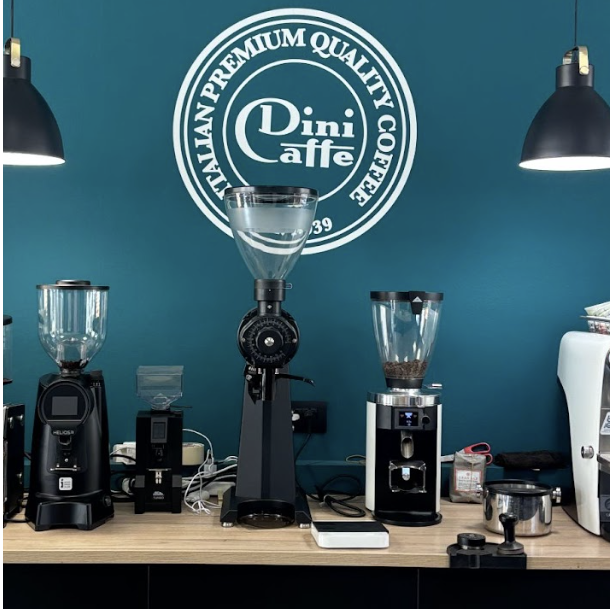
A historic Florentine coffee roastery deeply rooted in local tradition, DiniCaffè reflects how everyday spaces can reveal cultural values. Observing artisan coffee production and retail here highlights how craft and routine intersect in Florence’s daily rhythm.
Mercato Centrale demonstrates how food culture operates as both a social and economic system. The variety of vendors and constant activity highlight the importance of fresh ingredients , local exchange, and communal spaces within the structure of daily life.
Less oriented toward tourism , Mercato di Sant’Ambrogio offers insight into more localized routines and consumption patterns. Observing interactions here reveals how markets function as essential spaces for both community engagement and everyday necessity.
Lesson 5: Social Norms
Social behavior and cultural expectations in Florence reveal distinct differences in communication, etiquette, and public interaction. From dining practices to interpersonal exchanges, these norms reflect underlying cultural values. Analyzing these patterns allows for a deeper understanding of how culture shapes everyday behavior and social structure.
Florence offers lessons in every corner—from art-filled palaces to bustling markets and quiet cafés. Take a closer look at the city around you, observe the rhythms of daily life, and consider how culture shapes the spaces we inhabit. Explore, reflect, and let the city itself be your classroom.