
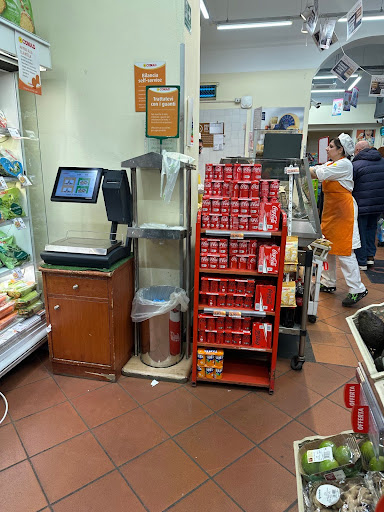
Walking into my local Conad in Florence is nothing like walking into my neighborhood Giant or Wegmans in the United States. Grocery stores in Italy feel much less overwhelming–everything is smaller and simpler. When you walk in, you immediately see the fresh produce, and it is common to see an employee actively restocking the fruits and vegetables with the freshest batch. Another small detail I noticed is that you are expected to use disposable gloves when picking out produce, which is something I never had to think about in the United States. There are fewer options of the same item compared to the United States, where entire aisles are dedicated to different versions of the same product. Even the layout of stores feels more straightforward, and most grocery stores have the same general layout, starting with produce when you walk in and alcohol by the checkout. In Florence, shopping for food feels more purposeful and less like a task to check off a list.
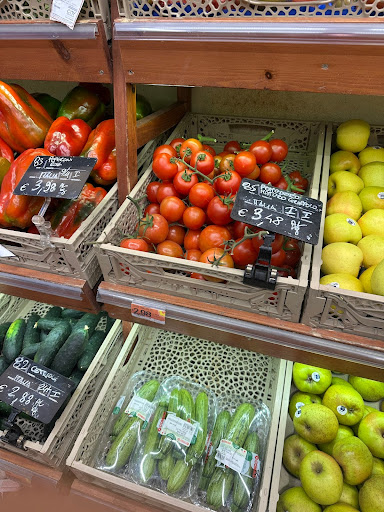
What stood out to me most was the price difference. One of my grocery hauls with staple items–a box of cereal, a loaf of whole wheat bread, 6 granola bars, and a jar of pasta sauce–cost only $8.21, while a similar trip in the US would typically be around $12-18. Another grocery trip with a jar of peanut butter, a liter of milk, a box of cereal, three bananas, and a 400-gram bag of cookies came out to $9.52, compared to roughly $13-19 in the United States. The difference in total cost made it clear that groceries in Italy are significantly more affordable, especially when it comes to simple, everyday foods. It also shows how much prices in the U.S. are influenced by branding, marketing, processed options, and packaging, rather than just the food itself.
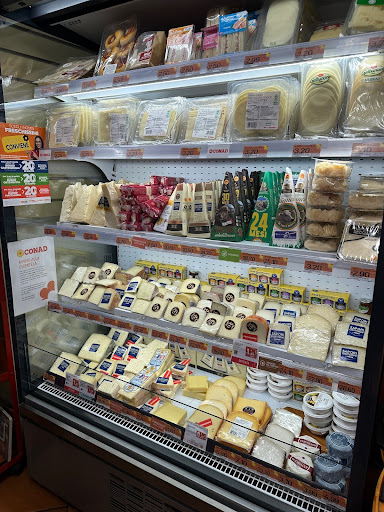
Another major difference is the freshness of Italian groceries. Since being in Florence, I have found myself going to the grocery store every other day because the produce does not contain the same preservatives as it does in America. During my first week in Florence, I bought a bunch of seven bananas, assuming they would last the entire week, like they would at home. By the third day, they were already overripe. That was the last time I tried to shop in bulk for produce. The only items you will find people buying in larger quantities are things like toilet paper or shelf-stable foods such as rice, pasta, or canned beans. This initially felt inconvenient, but it quickly became something I appreciated.
Going to the store more frequently has made me more aware of what I am eating and how fresh it is. Instead of relying on long-lasting, pre-packaged foods, meals feel more connected to the ingredients themselves. Grocery shopping has become a part of my daily routine rather than something I try to avoid. It is not just about buying food-it is part of the everyday routine here.
Written by Makinley Mastal, Elizabeth Ripley, and Sacha Burns