
Studying abroad in Europe offers a unique opportunity to travel frequently and efficiently, even within a limited timeframe. For our group of five, weekend trips became a consistent way to explore beyond our host city while balancing academic responsibilities. With accessible transportation and relatively short distances between countries, we were able to make the most of nearly every free weekend.
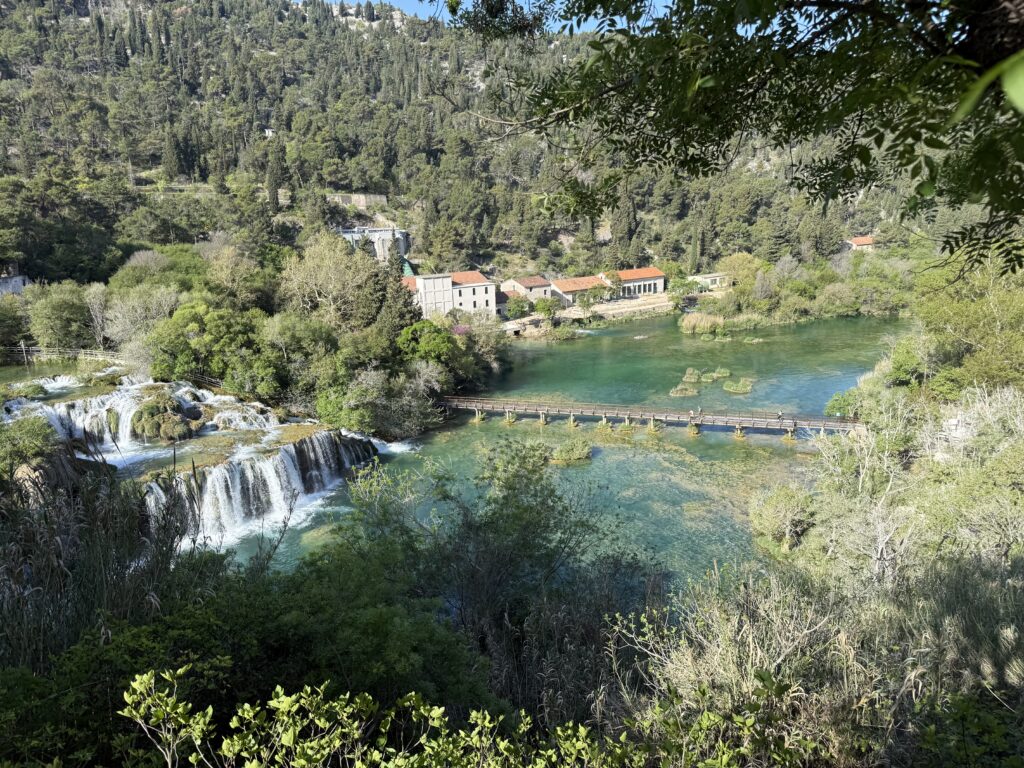
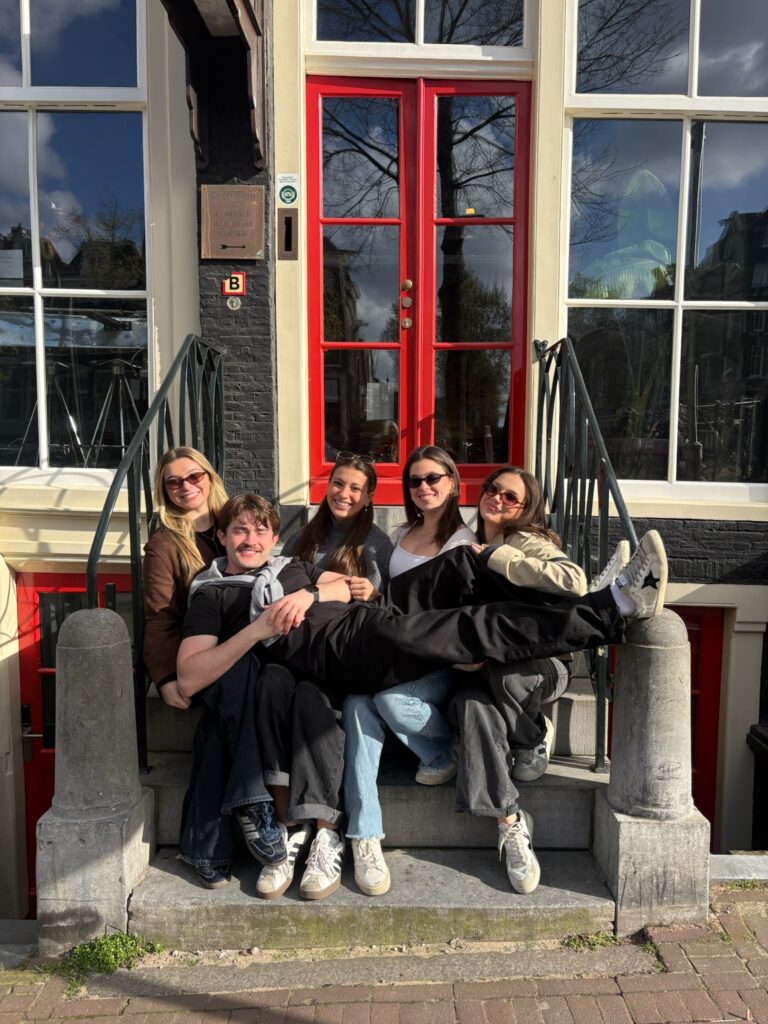
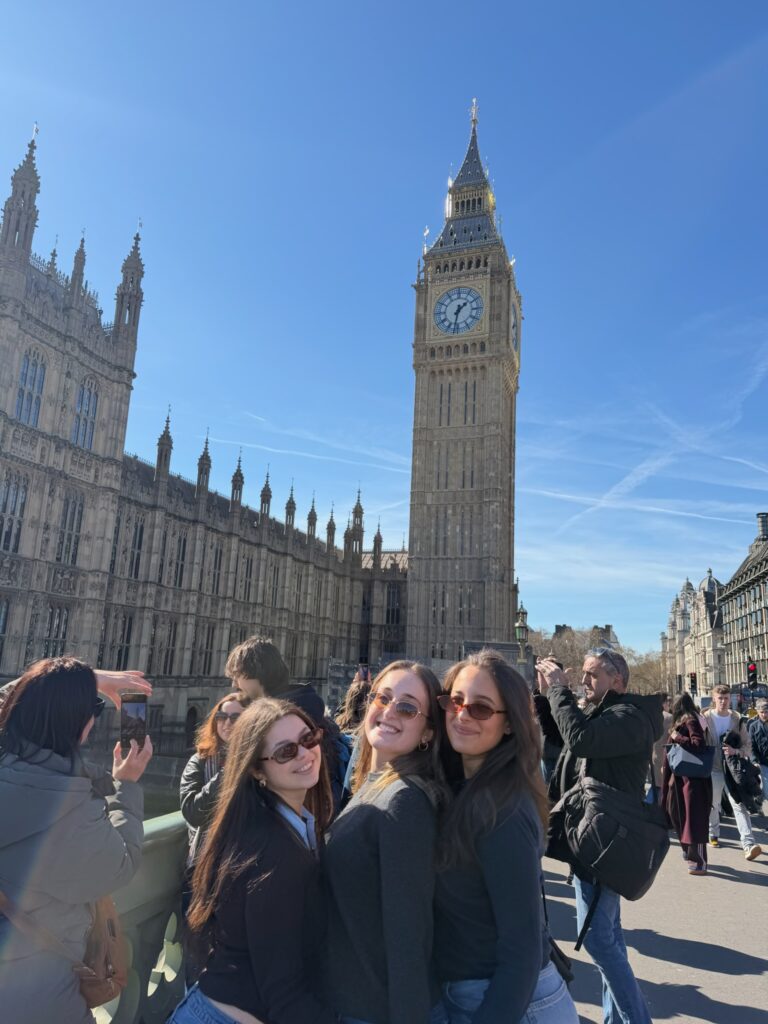
Over the course of the semester, we visited 10 different countries: Switzerland, the United Kingdom, France, Spain, Italy, Germany, Morocco, Ireland, the Netherlands, and Croatia. Rather than revisiting the same places, we prioritized seeing as many new destinations as possible, which meant each trip brought a completely different experience.
Many of our weekends were spent in major cities such as London, Paris, and Amsterdam. These destinations offered a mix of cultural landmarks, museums, and well-known neighborhoods. With our limited time, we focused on visiting the most popular places while still leaving room to explore on foot and experience the atmosphere of each place.
Other destinations provided a contrast to busy city travel. In Switzerland, for example, we visited Interlaken, where the focus shifted to natural scenery, including lakes and mountains. Similarly, coastal destinations like Mallorca, the Amalfi Coast, Cinque Terre, and parts of Croatia offered a slower pace and emphasized outdoor experiences over structured sightseeing.
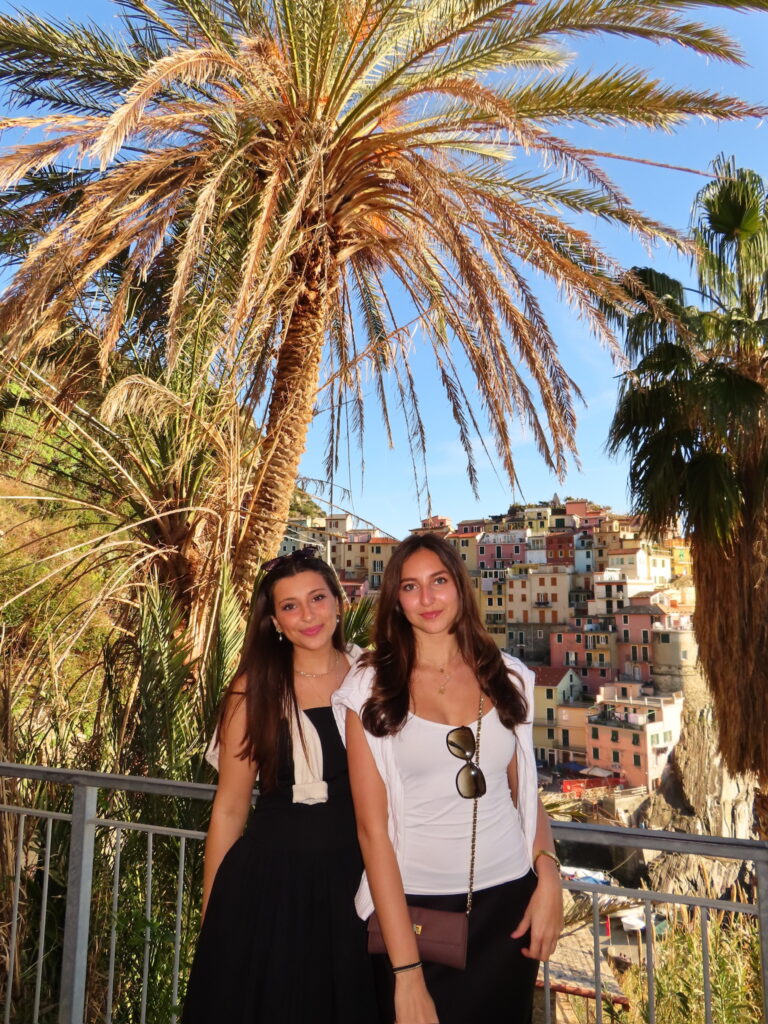
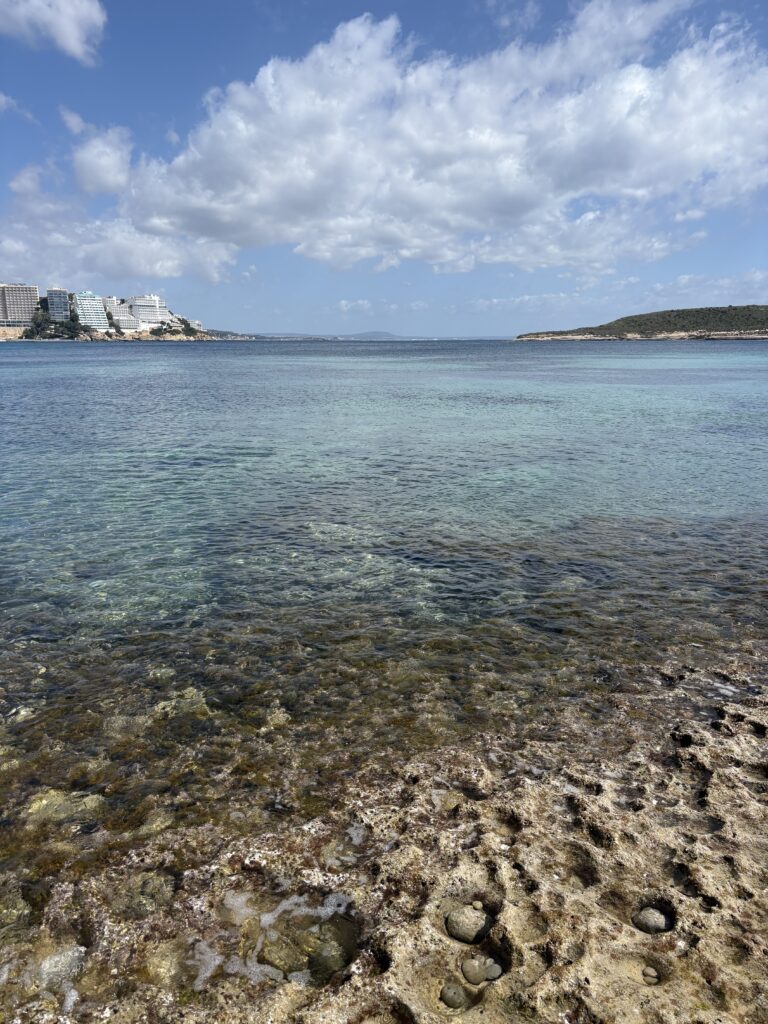
Spain and Italy made up a large portion of our travels, but each visit was to a different city. In Spain, we explored Madrid, Barcelona, and Mallorca, each offering a different environment, from urban centers to island life. In Italy, we visited a range of locations including Rome, Naples, Pisa, Parma, Cinque Terre, and the Amalfi Coast. Despite being in the same country, each destination felt unique in terms of landscape, culture, and overall experience.
We also included destinations that were less central to typical study abroad travel itineraries. Cities like Frankfurt and Dublin added variety, while Morocco stood out as the only destination outside of Europe. This trip, in particular, provided a different cultural perspective and highlighted the contrast between regions.
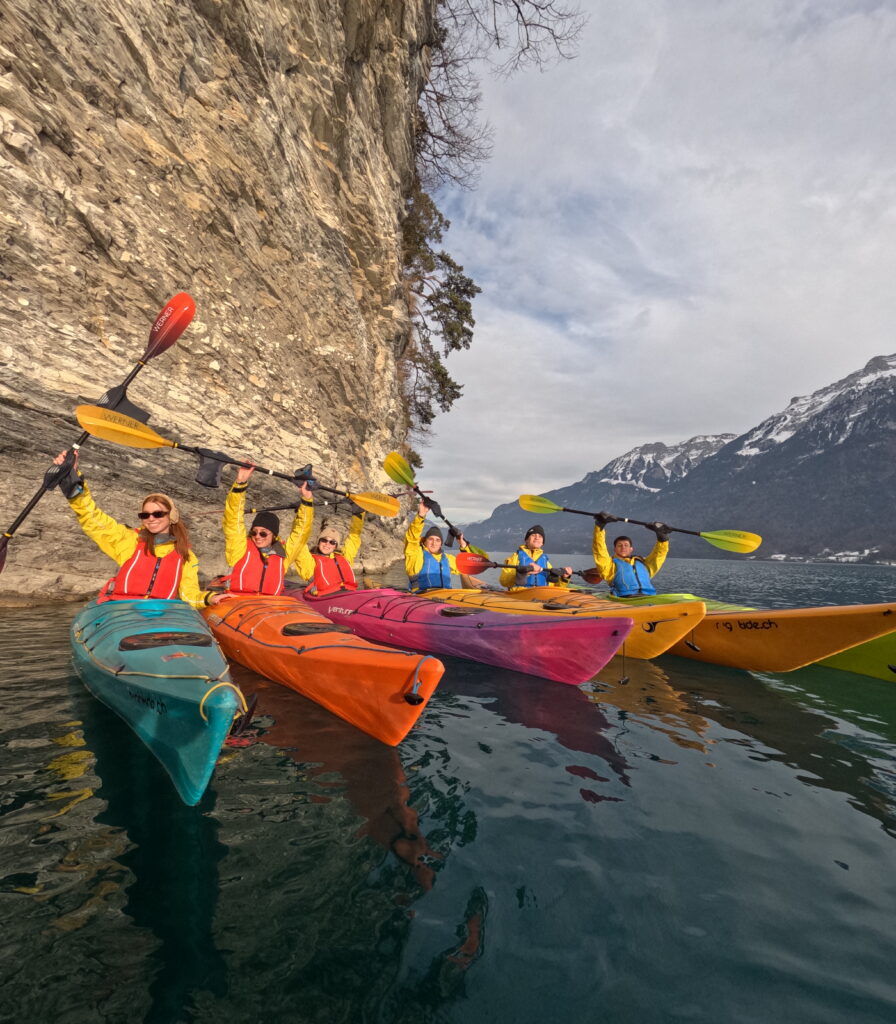
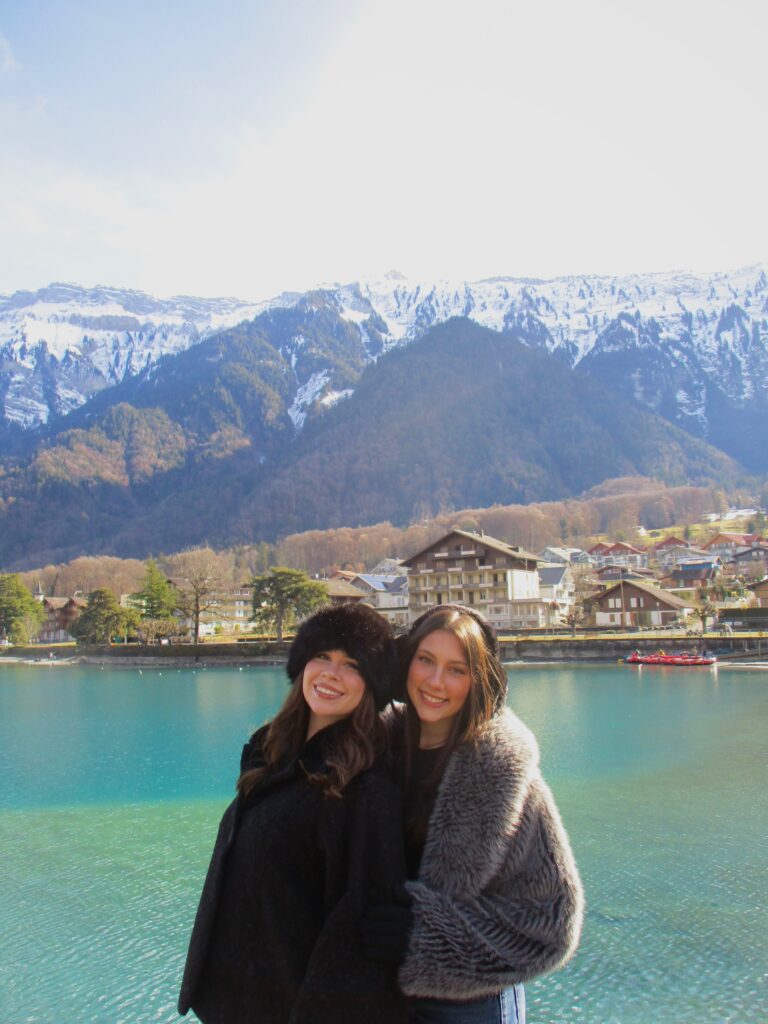
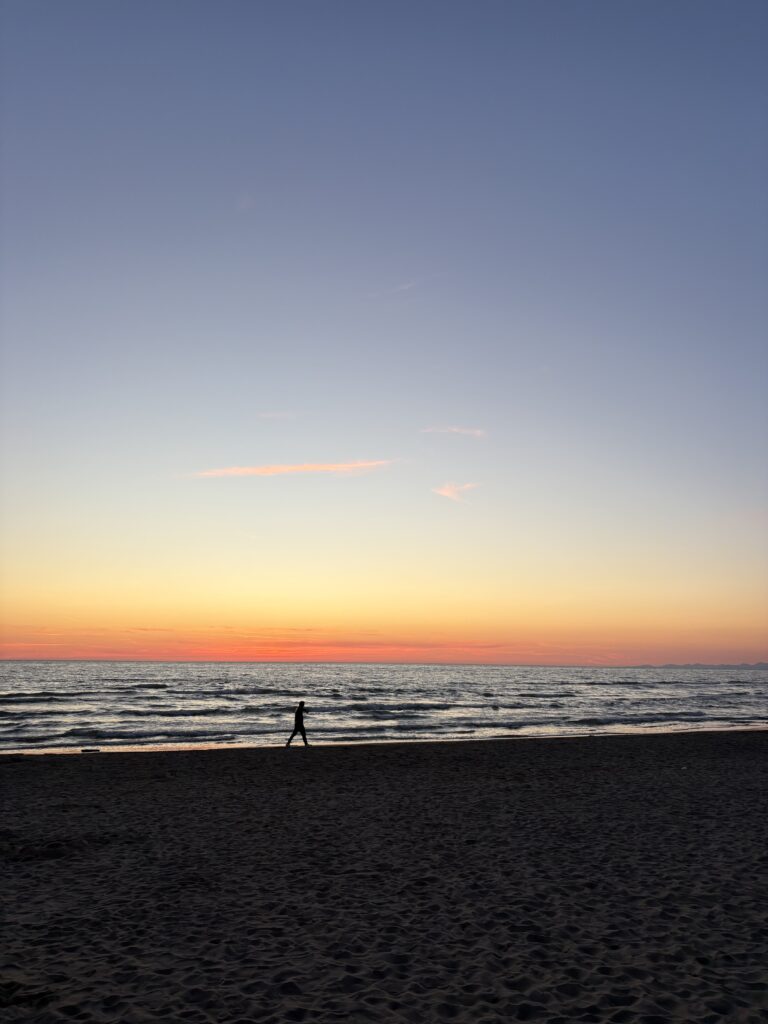
Each member of the group had different standout destinations. Angie’s top three favorite places were Interlaken for its scenery and outdoor activities, Paris for its culture and landmarks, and Mallorca for its relaxed atmosphere. Lexi’s top three included the Amalfi Coast for its coastal views, Barcelona for its balance of city life and beach, and Amsterdam for its walkability and overall vibe. Julia’s favorites were Morocco for its unique cultural experience, Rome for its history, and Croatia for its coastline and scenery. These differences in preference reflected the variety of experiences across everyone’s study abroad experience.

Traveling every weekend required careful planning and efficiency. With limited time, most trips lasted between two and three days, which meant early departures and tightly organized schedules. Since we traveled all over Europe, it became important to stay flexible and strategic with both time and money. Transportation choices ranged from budget flights to trains depending on the destination, but it was often worth spending more to fly out of Florence to save time and access more destinations. Taking early morning flights helped maximize the time spent in each place.
Managing costs was also essential, as expenses added up quickly across multiple trips. Setting a weekly or monthly travel budget helped keep spending under control and allowed for better decision-making when booking transport and accommodation. Using platforms like Booking.com made it easier to find affordable and convenient places to stay. Another key strategy was traveling only with a backpack, which reduced costs by avoiding extra baggage fees and made moving between destinations much easier.
At the same time, it was important to avoid burnout. Leaving some weekends free to stay in Florence allowed for rest, local exploration, and a more balanced experience overall.
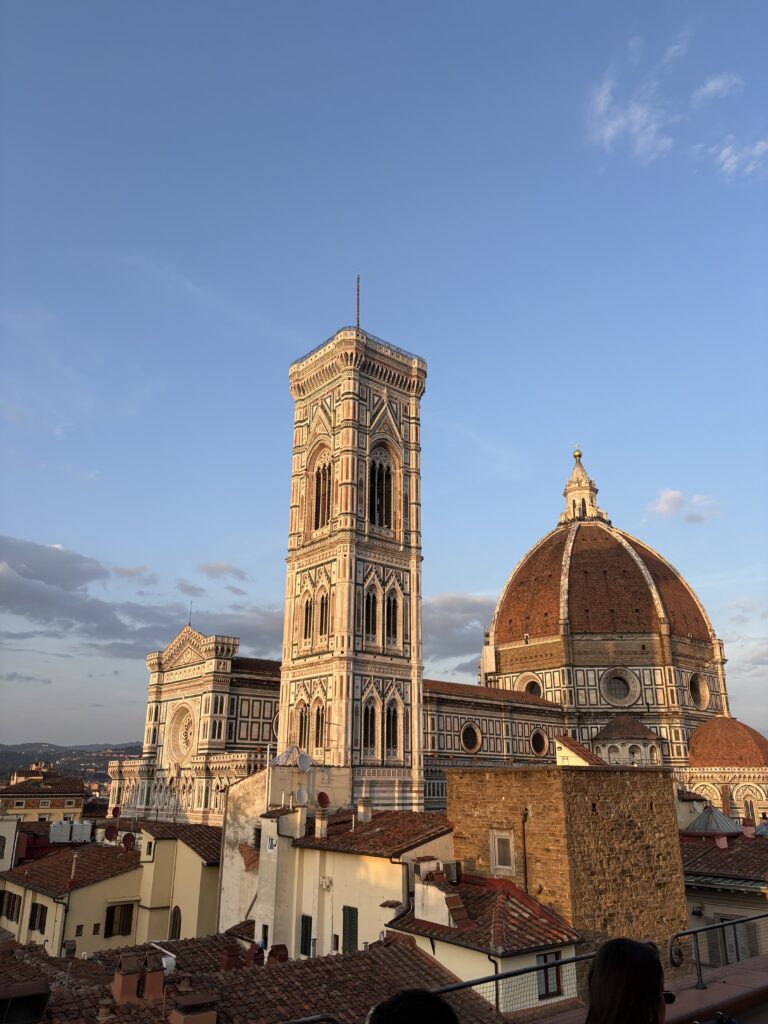
Traveling to 10 different countries in one semester provided us with a broad exposure to different cultures, landscapes, and ways of life. By choosing to visit a new city each time, we were able to gain a wider perspective on Europe and beyond. While the pace was often fast, the experience showed us that even short trips can be meaningful when approached with efficient planning.
Instagram: 48 Hours in Florence
Instagram Locations: Florence
TikTok: DIML
Google Review: ISI Florence
By: Sofia DeFilippis, Angelina Romano, Julia Klonsky, Lexi Burstein, and Sammi Woodbury