
Living in Florence, Italy for 4 months while studying abroad has given us the opportunity to explore the city and its culture. One of the biggest changes we have noticed was how different the food experience is here. Grocery shopping is something we used to rush through. In the United States, we prioritize big weekly hauls and put little thought into where products actually come from. In Florence, something even as simple as going to the supermarket feels like a cultural experience. Here is our take on the Italian markets and Florence’s supermarket experience:
Mercato Centrale
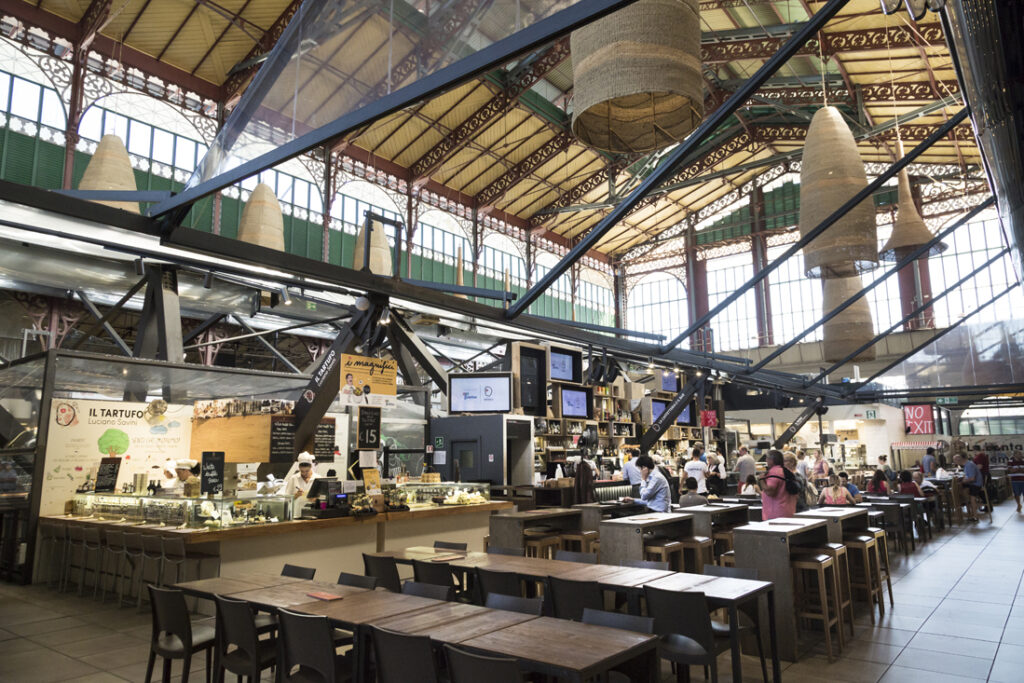
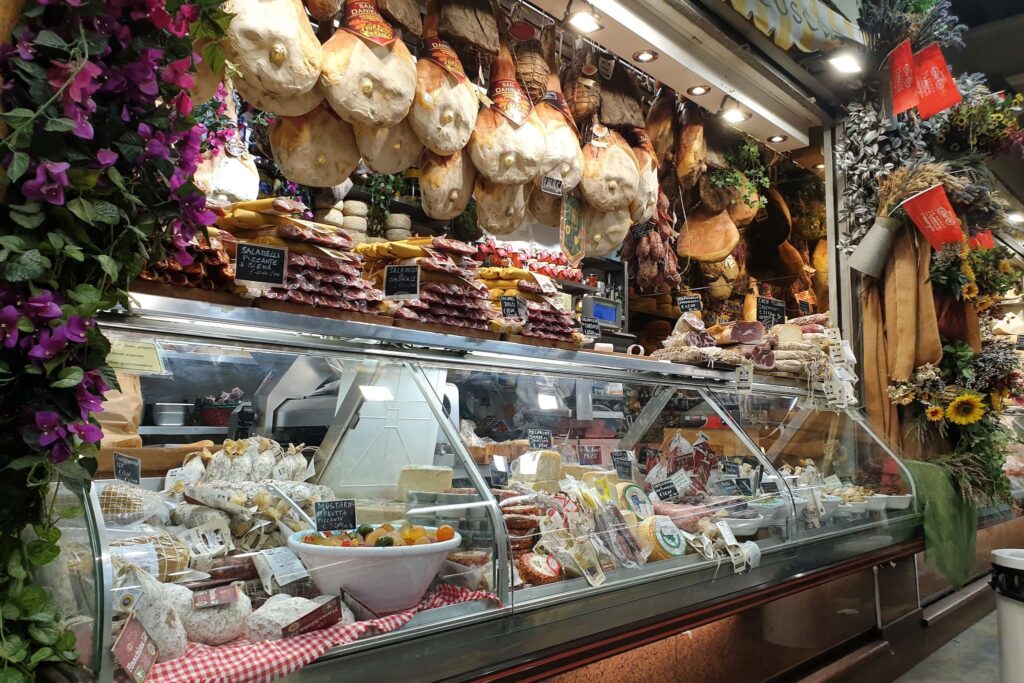
One of the most well-known places in Florence to visit is Mercato Centrale, Florence’s largest indoor market, founded in 1874. Right in the center of Florence (about 5 minutes from Santa Maria Novella), it is one of the most popular places that Florentine’s shop for their food.
All freshly sourced, you walk in and emerge within the different stands and offerings that are sourced from all over Italy. The ground floor of Mercato Centrale is filled with vendors selling fresh produce, pasta, cheese, and meat. We found it so fascinating how every stand was selling something different. There are even local businesses such as Ditta Artigianale, with its own stand. What makes Mercato Centrale stand out from what we are used to in the United States is that every food lists where the item is locally sourced. There is a level of knowledge and pride that makes the experience feel personal, even if you are just passing through. Even though the food is super authentic, the prices remain affordable, even sometimes cheaper than local supermarkets like Conad City or Coop.
The first floor of the market houses local shops and businesses selling food, as well as a projector often showing the local Futbol games being played. The first time we went upstairs was to grab gelato, and we really appreciated how everyone from different areas of Florence gathered together to watch the Futbol game in the upstairs of the market. We thought it was so interesting, but now it makes sense considering how much food is a part of the Italian Experience. Definitely check out Mercato Centrale during your time in Florence! It will be unforgettable!
Sant’Ambrogio Market
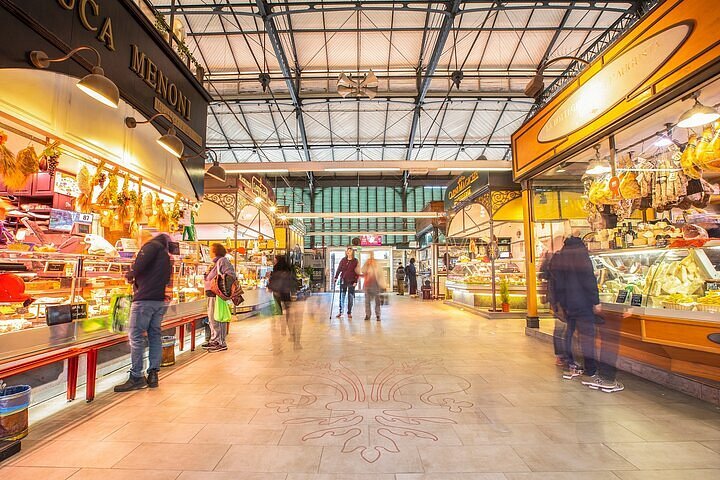
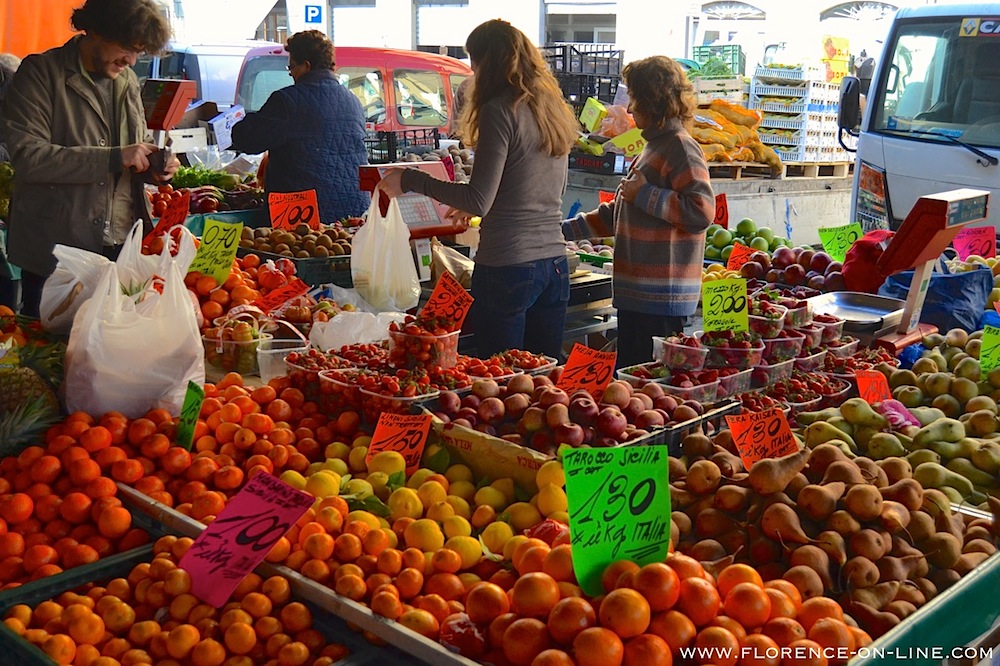
The Sant’Ambrogio Market is Florence’s largest existing market, founded in 1873. As the oldest market, Sant’Ambrogio is where most Florentines complete their daily shopping. Located in a quieter, more residential part of Florence, the market feels more genuine with a slower pace that reflects typical Florentine life.
Featuring both indoor and outdoor stands, Sant’Ambrogio includes a range of fresh fruits, vegetables, meats, cheeses, and additional authentic Italian food options. Walking into the market from the outside, you are pleasantly greeted with the chatter of locals and beams of color from the fresh fruits and vegetables. The market smells and looks fresh as vendors spray their products with water to ensure their quality. Vendors specializing in meats can be seen freshly slicing their produce and carefully placing the contents into packages for their customers. Customers move gracefully from stand to stand, collecting their groceries for the day, or next few days.
Walking inside Sant’Ambrogio, aromas include the smell of fresh bread and seafood. With narrow aisles, customers are encouraged to move from vendor to vendor, stopping to have conversations along the way. We noticed many locals moving swiftly across the market with their reusable bags and intentional movements. Each stand remains specialized with their produce and knowledge. We found it very interesting how one of the vendors specializing in fish commented on the fact that salmon, a very popular fish in the United States, is one of the worst fishes to buy in Florence. He encouraged us to focus on trying produce that is authentic to Italy, in this case, anchovies. Overall, we truly enjoyed the local, authentic feel of the market. Not only are prices extremely reasonable, but quality is ensured, and a valuable experience is guaranteed.
Conad City
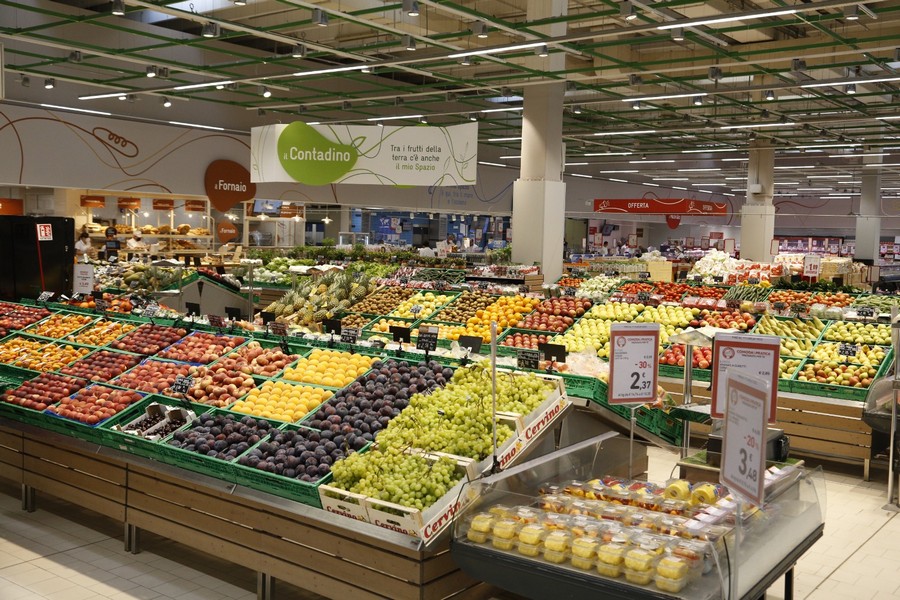
Since 1962, Conad City, Italy’s version of a typical convenience store, reflects an experience similar to supermarkets in the United States. With locations throughout Florence, the store offers a more fast-paced experience with everyday essentials.
Inside Conad, the layout displays narrow and neatly organized aisles, commonly with fruits and vegetables in the beginning, followed by variations of packaged goods and produce. Despite the fact that these supermarkets are often viewed as seemingly inauthentic compared to the markets, the stores still strive to provide fresh, locally sourced produce and ingredients. Rather than individual specialized products, the store offers variation and opportunity for selection.
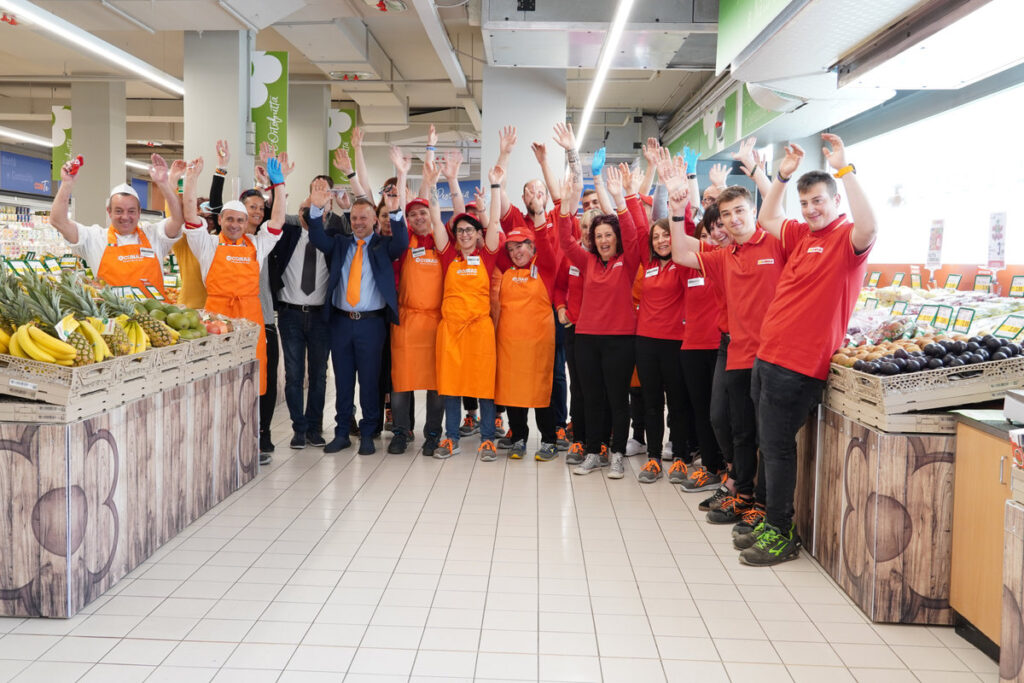
Throughout our experience in Conad, we were initially surprised by the business and fast pace of the store, especially around nighttime. It seems that many Florentines go to pick up last minute ingredients for dinner or packaged goods to snack on for the week. The checkout process also shocked us with the swift movements of cashiers, lack of conversation, and funnily enough, the immense strength of the grocery bags. In the United States, we are used to conversing more with cashiers and bringing our own grocery bags as the paper ones always break. While we frequent Conad, we are beginning to focus more on the authentic feel and freshness found in places like Mercato Centrale and Sant’Ambrogio Market. However, Conad is always a great option for last minute groceries and necessities!
Living in Florence has completely changed the way we view grocery shopping and food culture. What once felt like a routine task in the United States has become something much more meaningful and intentional. Across all of these experiences, one thing remains consistent is the emphasis on freshness and quality. Food in Italy is not just about convenience, but it is about supporting local vendors and taking the time to appreciate the process. We have learned to shop more frequently, cook with seasonal ingredients, and value the everyday interactions that come with buying food.
Authors: Olivia Platt LinkedIn, Ava Cito LinkedIn, Samantha Cohen LinkedIn, Sophia D’Alonzo LinkedIn, Daniella Messina LinkedIn